
How winter wildlife survival works in Manhattan, New York |
How animal migration and wildlife hibernation support winter survival |
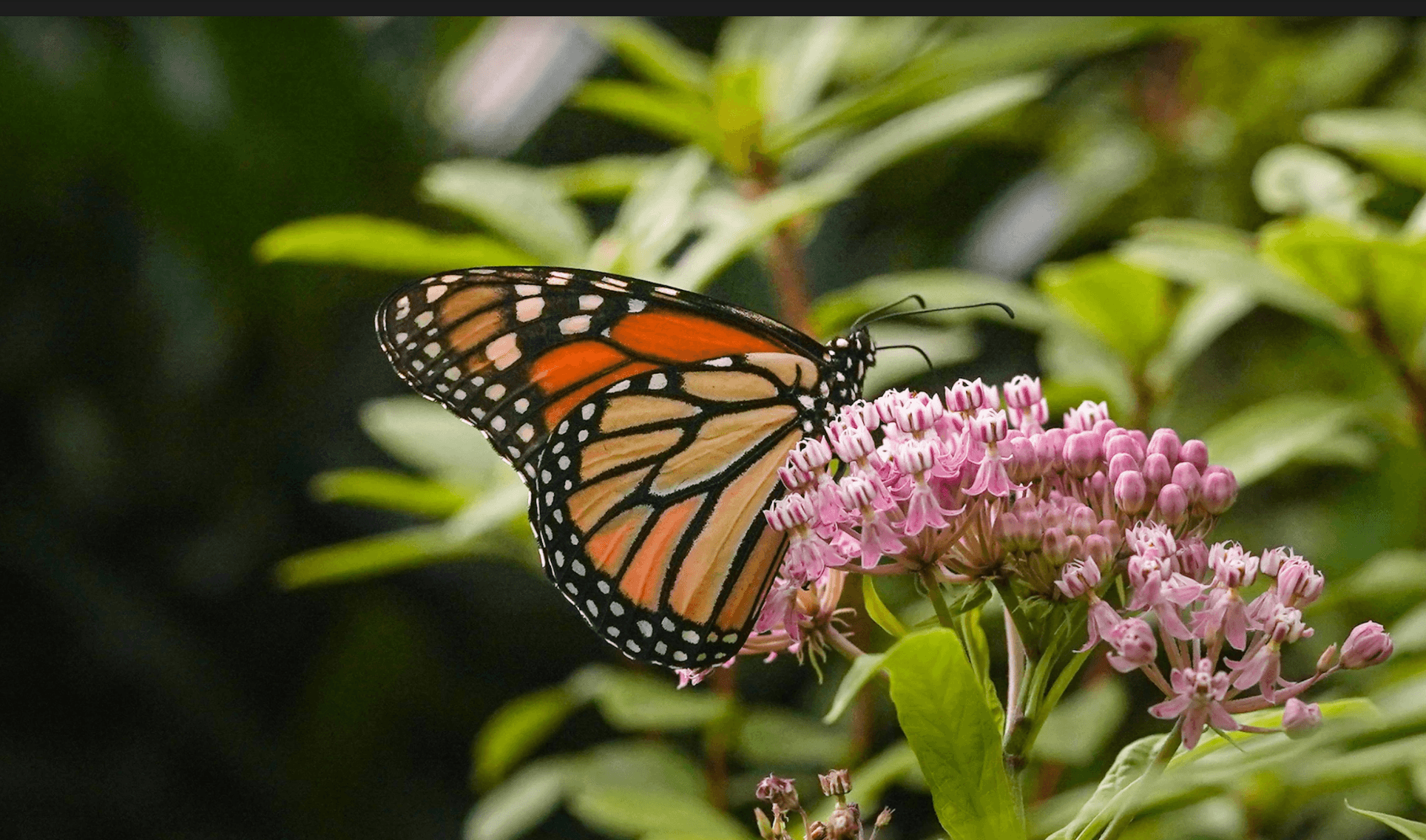
In Manhattan, winter wildlife survival unfolds beneath bare branches, even when Madison Square Park looks quiet from the sidewalk.
The seasonal slowdown is easy to miss between crowded avenues, but birds, insects and squirrels are making consequential choices.
Madison Square Park offers a compact window into three strategies: leaving, lying low and saving food for later.
For some species, animal migration is the safest answer when cold weather strips away dependable meals.
Monarch butterflies travel south toward Mexico, while many birds leave the city for places with more accessible food.
The journey is demanding, and the monarchs moving north in spring typically complete that return across several generations.
They search bark, branches and surviving vegetation, turning small pockets of urban greenery into valuable winter habitat.
Other creatures conserve energy instead of traveling, making wildlife hibernation part of the seasonal survival story.
Eastern carpenter bees can shelter inside wood tunnels, while some other bees overwinter in protected spots beneath the ground.
What looks like an empty landscape can still be occupied, with insects tucked out of sight until warmer days return.
Meanwhile, eastern gray squirrels keep moving, relying on stored nuts and seeds for meals when fresh food runs short.
Fat reserves and sheltered resting places help too, especially when wind cuts across open sections of the park.
Winter's real test is not just cold; it is the loss of reliable food and cover.
That makes trees, shrubs and undisturbed shelter more than decorative touches in a dense neighborhood where wildlife has limited room to retreat.
Those small refuges matter to animals that stay, just as spring habitat matters to species returning from migration.
For Manhattan neighbors, protecting green space means giving these quiet winter strategies room to work until warmer days return. |
0 Comments
Join the conversation
Be the first to comment
Share your thoughts above.